Riga Chip Summit 2026: Strengthening Europes Semiconductor Ecosystem
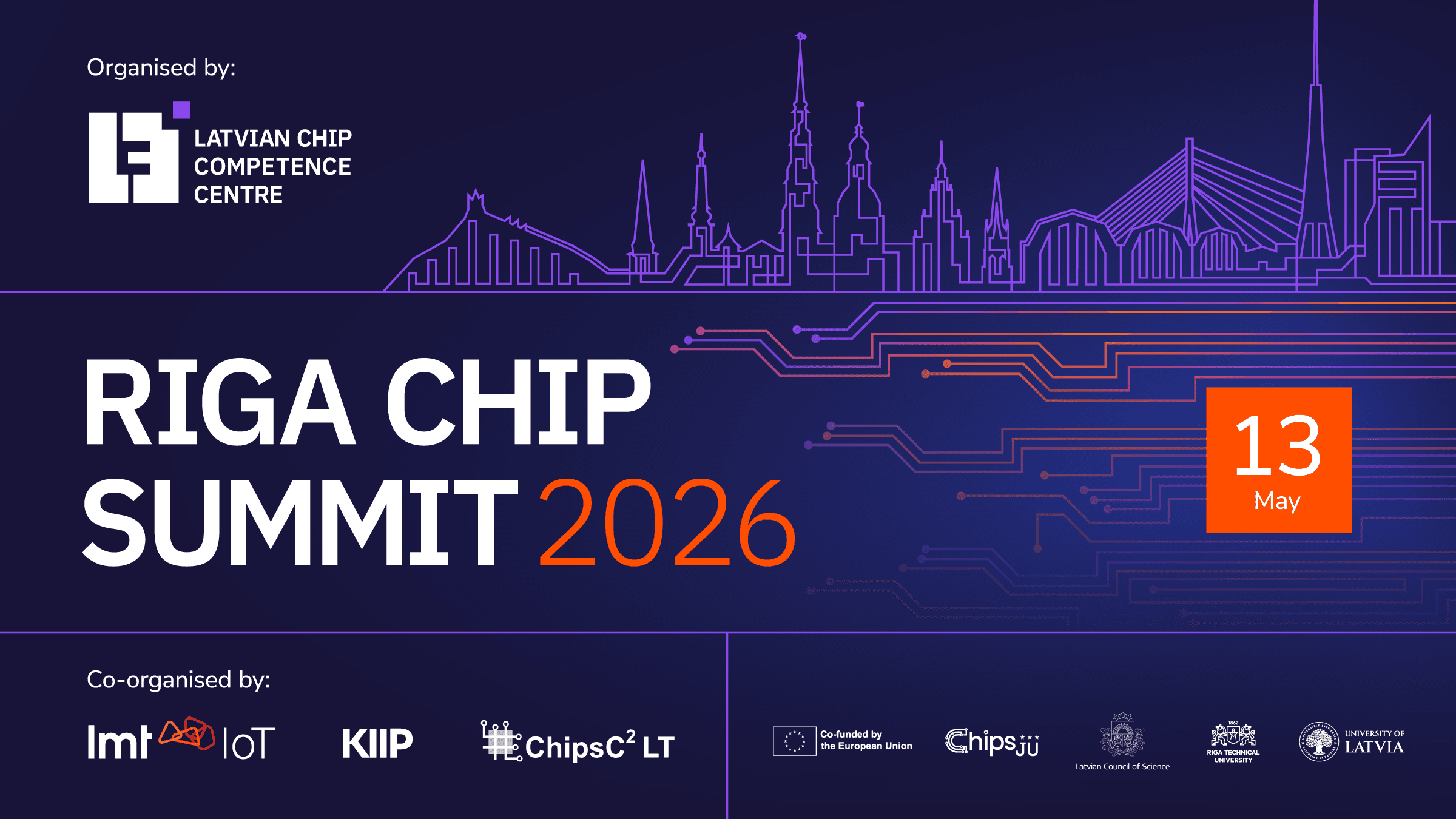
On 13 May 2026, the Latvian Chip Competence Centre hosted the Riga Chip Summit 2026, the first-ever semiconductor-focused summit in Latvia. The event marked a significant milestone for the Baltic and European semiconductor landscape, bringing together over 200 participants from 23 countries, including industry leaders, researchers, startups, investors, policymakers, and academic representatives from across the Baltics, Nordics, and wider Europe.
aCCCess and ENCCC Ecosystem Presentation
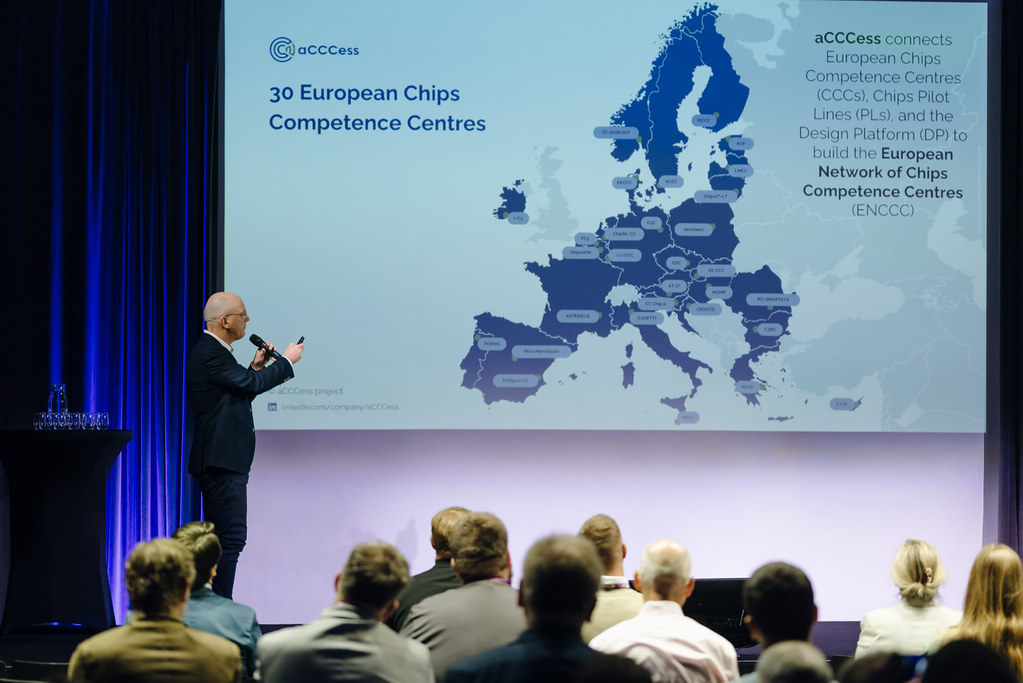
(c) Santa Kola, LCCCDuring the summit, aCCCess Coordinator Regis Hamelin presented the aCCCess initiative and the broader European Network of Chips Competence Centres (ENCCC) ecosystem. The session highlighted collaboration opportunities, support mechanisms for innovation, and pathways for strengthening Europe’s semiconductor capabilities.
Panel: Navigating Funding Pathways for Chip Innovation
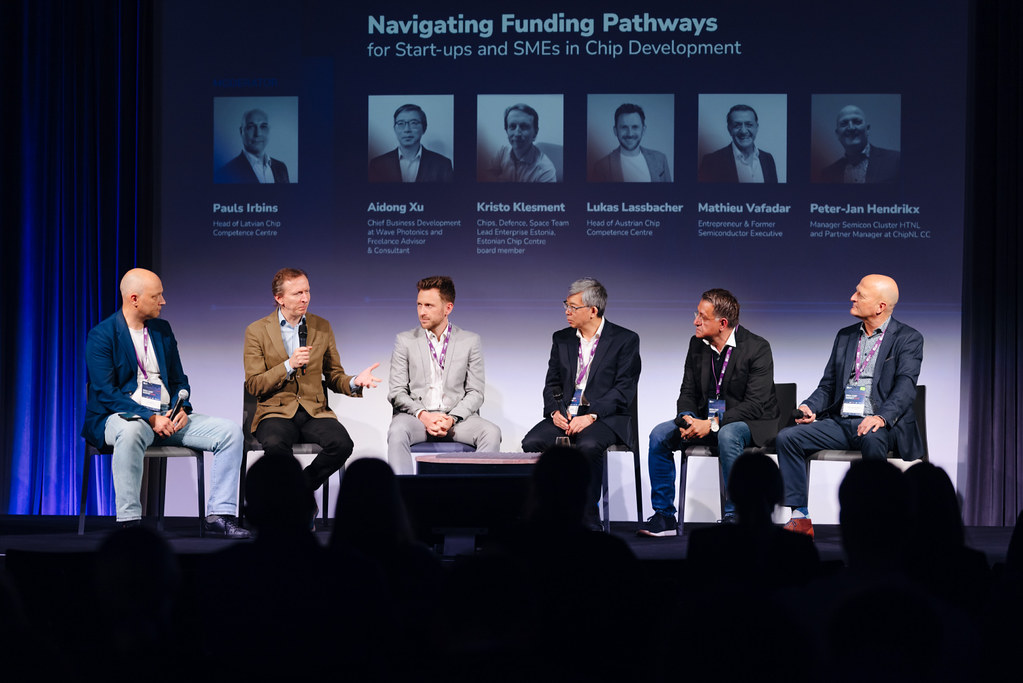
(c) Santa Kola, LCCCA key highlight of the summit was the expert panel discussion titled:
“Navigating Funding Pathways for Start-ups and SMEs in Chip Development”
The panel brought together leading voices from across Europe’s semiconductor ecosystem:
Pauls Irbins – Head of Latvian Chips Competence Centre
Aidong Xu – Chief Business Development at Wave Photonics and Freelance Advisor & Consultant
Kristo Klement – Head of Finance, Space Team Lead Enterprise Estonia, Estonian Chips Competence Centre board member
Lukas Lassbacher – Head of Austrian Chip Competence Centre
Mathieu Vafadar – Entrepreneur & former semiconductor executive
Peter-Jan Hendrix – Manager Semicon Cluster HTNL and Partner Manager at ChipNL
The discussion focused on funding opportunities, scaling strategies, and the challenges faced by startups and SMEs in advancing chip technologies from concept to commercialization.
Driving Innovation and Collaboration
Throughout the summit, participants explored key topics shaping the future of the semiconductor industry, including:
Semiconductor ecosystem development in Europe
Photonics, AI, and IoT integration
Chip design and prototyping platforms
Commercialisation pathways and funding instruments
Intellectual property protection
Technology readiness and scaling
These discussions were closely aligned with the objectives of the Chips Joint Undertaking (Chips JU), reinforcing Europe’s ambition to strengthen its technological sovereignty.
Strategic Partnership Announcement
One of the most important milestones of the summit was the signing of a Memorandum of Understanding (MoU) between the Latvian Chip Competence Centre and the LMT Group.
This collaboration represents a major step toward bridging research and industry, with a focus on:
Development of low-power mobile IoT connectivity chips
Strengthening Latvia’s capabilities in high-tech product development
Enhancing international competitiveness in semiconductor innovation
A Collaborative European Effort
The Riga Chip Summit 2026 was organised by the Latvian Chip Competence Centre in cooperation with:
LMT Group
Lithuanian Chips Competence Centre (ChipsC2-LT)
Estonian Chips Competence Centre (KIIP)
The event successfully established itself as a key platform for dialogue, collaboration, and innovation within the European semiconductor ecosystem.
For more highlights and updates, visit the Latvian Chip Competence Centre’s LinkedIn page:
Latvian Chip Competence Centre LinkedIn
aCCCess has received funding from the European Union’s Digital Europe Chips JU under Grant Agreement No 101217840.
Funded by the European Union. Views and opinions expressed are however those of the author(s) only and do not necessarily reflect those of the European Union or [name of the granting authority]. Neither the European Union nor the granting authority can be held responsible for them.